10 Best Outdoor Engagement Photo Locations for Epic Photos

The right setting can make or break your engagement photos. A stunning backdrop does more than look pretty, it shapes the mood, draws out genuine emotion, and gives your images a sense of place that feels unmistakably yours. But with so many options out there, narrowing down the best outdoor engagement photo locations can feel overwhelming. You want somewhere that reflects who you are as a couple, not just somewhere that looks good on someone else's feed.
At rajfoto, we've photographed engagements in all kinds of outdoor settings, from golden-hour desert sessions in the American Southwest to lush garden shoots in the English countryside. Led by Akash, our approach leans into documentary-style storytelling and cinematic visuals, which means we pay close attention to how a location's light, texture, and atmosphere shape the final images. That experience has taught us exactly what makes a location photograph beautifully versus one that just looks nice to the naked eye.
This guide breaks down ten outdoor locations that consistently deliver stunning engagement photos. For each one, we'll cover what makes it work visually, the best time of day to shoot there, and practical tips so you and your photographer can get the most out of it. Whether you're planning a local session or a destination shoot, these spots offer the kind of variety and natural beauty that translate into images you'll actually want to frame.
1. A Local Spot Scouted with RAJ FOTO
Working with a photographer who scouts your local area before the session is one of the most underrated advantages you can have when planning outdoor engagement photo locations. Familiarity with a location removes uncertainty on the day itself, so instead of spending the first 30 minutes figuring out where to stand, you spend that time actually being present with each other.
Why this option often creates the most natural photos
When a location feels familiar to you, your body language relaxes. You stop performing for the camera and start interacting with each other and your surroundings. A bench where you used to grab coffee, a trail you've walked a dozen times, or a neighborhood park you pass every day carries emotional weight that a generic picturesque backdrop simply does not.
The most natural-looking engagement photos almost always come from places where couples already have a reason to feel comfortable.
How to choose the right spot fast without overthinking
Start with places you already visit regularly. Think about locations tied to a shared memory or habit, not just somewhere that looks stunning in other people's photos. A short list of two or three candidates is all you need. From there, your photographer can quickly assess light, access, and visual variety to help you commit to one without second-guessing.
What to check on a quick scouting walk
A 20-minute walk through a potential spot tells you a lot. Look for at least three distinct visual zones, such as an open area, a shaded path, and a textured wall or natural feature. Check where the light falls an hour before sunset. Note any obstructions like construction, heavy foot traffic, or flat, featureless backgrounds that give the camera nowhere interesting to go.
Open zone for wide, environmental shots
Shaded or framed area for intimate close-ups
A textured detail such as foliage, water, or architecture
How to build a simple plan A and plan B
Weather and crowds are unpredictable, so always identify a backup location within 15 minutes of your primary spot. Your plan B does not need to match the aesthetic of plan A exactly. It just needs to offer good light and enough space to move through a few different setups comfortably if the first location does not cooperate.
2. Botanical Gardens and Arboretums
Botanical gardens and arboretums rank among the most visually reliable outdoor engagement photo locations you can choose. The curated plant life, winding paths, and maintained grounds give your photographer a wide range of backdrops in a single contained space, reducing travel time and keeping the session focused on you.
What this location style looks like on camera
On camera, botanical gardens produce layered, lush imagery full of soft greens, flowering colors, and natural frames. Arched trellises, dense hedgerows, and sculpted flower beds create depth behind you and your partner, giving photos a painterly quality that feels romantic without looking staged.
Best season and time of day for clean, lush light
Spring and early summer bring peak bloom, which means richer color and more texture in every frame. Aim for the first two hours after sunrise or the hour before sunset, when light is warm and diffused. Midday sun creates harsh shadows on faces, so avoid scheduling between 11am and 3pm whenever possible.
The combination of soft light and saturated greenery is what makes botanical garden sessions so consistently beautiful across seasons.
Permits, fees, and rules to confirm before you go
Many botanical gardens require a photography permit separate from general admission. Some charge a session fee, restrict tripods or off-camera lighting, or limit commercial shoots to specific zones. Confirm these details at least two weeks in advance so nothing disrupts the day.
Simple ways to avoid crowds and get variety in one place
Arrive when the garden first opens, since most visitors show up mid-morning. Move through at least three distinct zones, such as a rose garden, a wooded path, and an open lawn, to build genuine visual variety without ever leaving the property.
3. Beaches and Coastal Cliffs
Beaches and coastal cliffs are among the most striking outdoor engagement photo locations available, combining natural drama with open space and ever-changing light. The combination of sky, water, and land gives your photographer an enormous amount of material to work with in a single session.
What this location style looks like on camera
On camera, coastal settings deliver wide, expansive images with natural depth and motion. Waves, sea foam, and wind-blown hair add energy and life to frames that might otherwise feel static, and clifftop shots pull in dramatic sky and distant horizon lines that make the scale of a moment feel enormous.
Coastal light has a quality unlike almost any other environment, it bounces off the water and wraps around subjects in a way that softens shadows and adds warmth.
Best season and time of day for flattering light and color
Late spring through early fall gives you the warmest tones and the most usable golden-hour windows. Shoot within the hour before sunset for the richest color and the most flattering directional light on your faces.
Wind, sand, and tide logistics to plan around
Check tide charts and wind forecasts at least 48 hours before your session. Strong wind affects sound during video capture and can send sand directly into camera gear. Bring a small bag to keep personal items and shoes off wet sand and confirm whether your chosen beach restricts photography during peak hours.
Outfit and movement tips that look great in coastal conditions
Lightweight, flowing fabricsphotograph beautifully on the coast because they react naturally to wind and add visual movement. Avoid stiff or heavy materials, and skip light sand-colored clothing that blends into the beach and flattens contrast in wider shots.
4. Mountains and Scenic Overlooks
Mountains and scenic overlooks bring a sense of scale and grandeur to engagement photos that few other outdoor engagement photo locations can match. The combination of elevation, open sky, and rugged natural texture creates images that feel genuinely epic without relying on filters or editing tricks.
What this location style looks like on camera
On camera, mountain settings deliver layered compositions with foreground texture, mid-distance ridgelines, and expansive sky filling the frame behind you. The natural depth of a scenic overlook makes even simple poses look dynamic because the environment does a significant portion of the visual work.
Mountain backdrops compress beautifully in camera, pulling distant peaks close and wrapping the whole scene around you and your partner.
Best season and time of day for dramatic skies and depth
Late summer and early fall offer the clearest skies, the most reliable trail conditions, and the richest contrast between golden foliage and blue sky. Shoot during the first or last hour of daylight to capture directional light that sculpts your faces and adds warmth to rocky surfaces.
Safety, access, and hiking reality checks
Confirm trail difficulty and distance before committing to a specific overlook. Some of the most photogenic mountain spots require a 45-minute hike each way, which means your session needs to account for travel time, physical energy, and gear weight so you arrive ready to be present rather than exhausted.
Check trail conditions and closures in advance
Bring water, layers, and sturdy footwear
Confirm whether a parking permit or timed entry reservation is required
How to keep it cinematic without making it feel like a hike photoshoot
Leave the hiking gear in the car once you reach the overlook and change into your session outfits before stepping in front of the camera. Flowing layers and solid, neutral colors hold up well against busy mountain backgrounds and keep the focus on you rather than competing with the landscape's bold textures and saturated tones.
5. Waterfalls and River Trails
Waterfalls and river trails rank among the most dramatic outdoor engagement photo locations you can choose. The constant movement of water, layered rock formations, and dense surrounding greenery combine to create images that feel alive and cinematic from the first frame.
What this location style looks like on camera
On camera, waterfalls produce a strong sense of motion and depth. Flowing water creates natural leading lines that draw the eye toward you and your partner, while mist softens the atmosphere and adds a painterly quality to wide shots. River trails add variety by offering quieter stretches between cascades where intimate close-ups work especially well alongside larger, more dramatic frames.
Best season and time of day for softer light and fewer people
Late spring and early fall bring optimal water flow without peak summer crowds. Aim for overcast mornings, since diffused cloud cover eliminates harsh shadows on faces near reflective water surfaces and keeps exposure consistent across the session.
Overcast light near waterfalls is some of the most flattering you will ever shoot in, it wraps around subjects evenly and keeps skin tones consistent from frame to frame.
Spray, slippery surfaces, and trail considerations
Wet rocks near falls are genuinely dangerous, so treat footing as a real logistical consideration rather than an afterthought. Wear grip footwear on the walk in and change into session shoes once you reach a dry, stable shooting area. Confirm trail conditions and any closures before arriving, especially following heavy rainfall.
How to pose naturally when the location feels loud and powerful
Loud water makes verbal direction from your photographer difficult. Before the session, agree on a few simple hand signals to replace verbal cues. Concentrate on natural physical contact and genuine reactions to each other so the waterfall becomes a backdrop rather than a distraction pulling your attention away from the moment.
6. Lakes, Ponds, and Marinas
Lakes, ponds, and marinas offer a quieter, more reflective quality than coastal or waterfall settings, making them dependable outdoor engagement photo locations for couples who want serene, intimate imagery. The stillness of the water and the horizontal lines of docks and shorelines give your photographer clean, uncluttered compositions to work with from the start.
What this location style looks like on camera
On camera, lake and marina settings produce soft, layered images with a calm, almost cinematic stillness. Still water mirrors the sky and surrounding landscape, doubling the visual depth of every frame. Marinas add an architectural element through dock lines, masts, and moored boats that create structure and contrast against open water backgrounds.
Reflections on calm water effectively double the composition, giving your photographer a second version of the scene to work with in the same frame.
Best season and time of day for reflections and calm water
Early morning in late spring or early fall produces the calmest water and the most consistent reflections. Wind picks up as the day progresses, so arriving within the first hour after sunrise gives you the best chance of mirror-like conditions before foot traffic and afternoon breezes disturb the surface.
Docks, boats, and public access rules to confirm
Many marinas and lakefront docks are private property or managed by a parks department that requires a photography permit. Confirm access and any session restrictions at least two weeks before your shoot to avoid last-minute complications on the day.
How to use reflections, leading lines, and shoreline texture
Position yourselves near the water's edge or at the end of a dock to take advantage of reflections directly below you. Shoreline textures like rocks, reeds, and sand add foreground interest that anchors wider shots, while dock boards and mooring lines pull the viewer's eye naturally toward you and your partner.
7. Open Fields and Wildflower Meadows
Open fields and wildflower meadows bring a light, expansive quality to engagement photos that feels effortless and romantic. As outdoor engagement photo locations go, they offer something coastal cliffs and mountain overlooks cannot: unobstructed horizon lines and soft, wrapping light that flatters from every angle.
What this location style looks like on camera
On camera, meadows produce airy, wide-open compositions with natural color gradients that move from rich greens and golds in the foreground to soft sky in the background. Wildflowers add bursts of color and layered texture throughout the frame, creating a visual variety that shifts noticeably from one shooting spot to the next.
Best season and time of day for golden, airy images
Late spring and early summer deliver peak wildflower bloom and the warmest ambient light. Shoot during the hour before sunset when golden light grazes across the field at a low angle, adding warmth and dimension to both the landscape and your faces.
Golden-hour light in an open field is one of the most forgiving natural light sources your photographer will ever work with.
Bugs, allergies, and private property boundaries
Bring insect repellent and confirm allergy considerations well before arriving. Many scenic meadows sit on private farmland, so verify access permissions or identify publicly managed fields through your local parks department to avoid trespassing issues on the day.
How to create movement and emotion in wide-open spaces
Wide spaces can feel overwhelming without intentional direction. Walk toward each other, spin slowly, or move through the field together. Natural physical movement consistently reads better on camera than static poses in open environments where scale makes stillness feel disconnected from the scene around you.
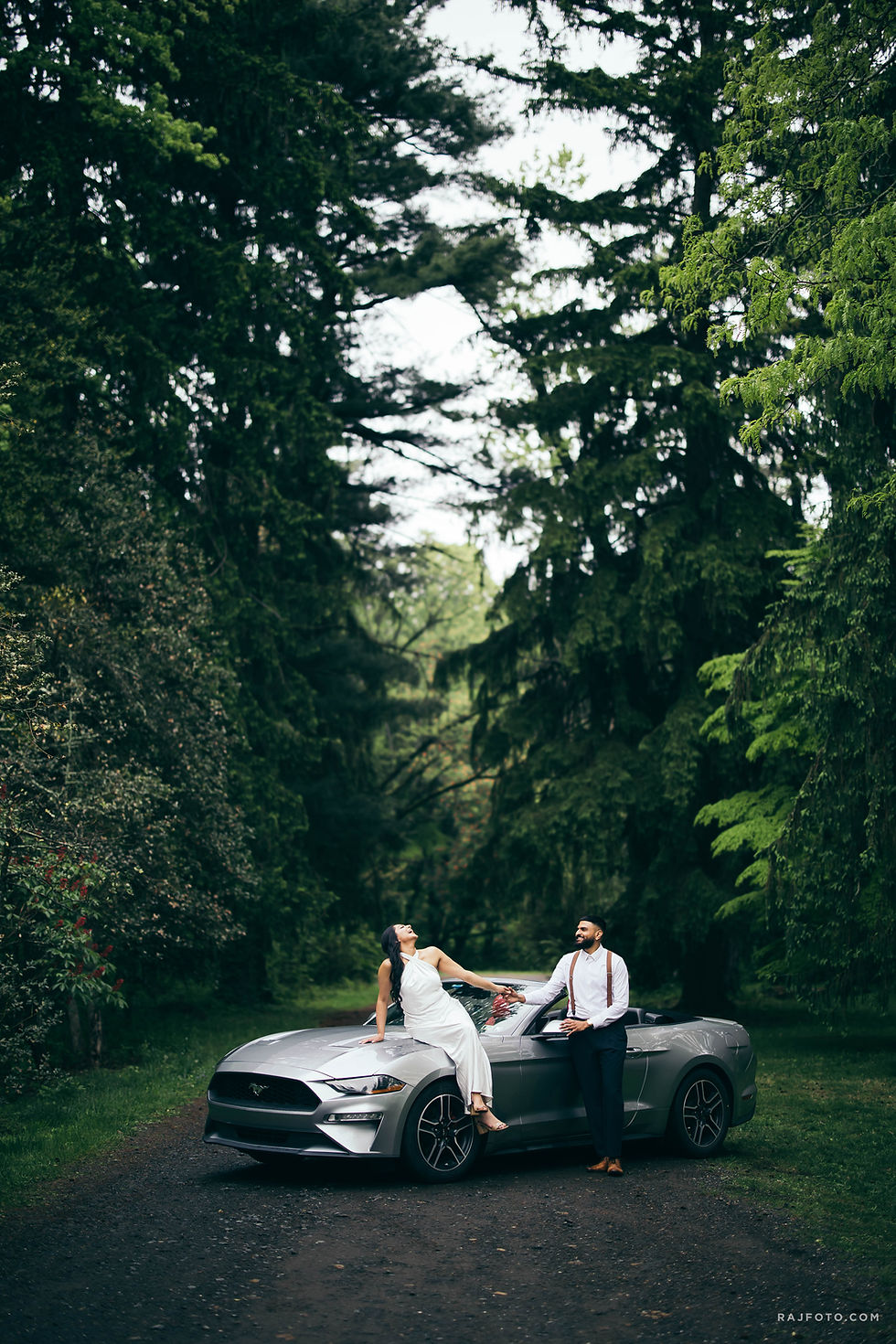
8. Forests and Old-Growth Groves
Forests and old-growth groves bring a timeless, cathedral-like quality to engagement photos that very few other outdoor engagement photo locations can match. The towering canopy, filtered light, and rich layers of texture create an atmosphere that feels both intimate and grand, drawing you and your partner naturally into the scene around you.
What this location style looks like on camera
On camera, forest settings produce deep, layered compositions full of natural frames created by tree trunks, branches, and winding paths. Old-growth groves add a sense of scale that makes subjects feel surrounded and held by the environment, giving wide shots a striking visual weight that feels earned rather than manufactured.
Best season and time of day to avoid harsh shadows
Overcast days in spring or fall work best for forest sessions because cloud cover eliminates the dappled, high-contrast patches that direct sunlight creates under a dense canopy. Aim for mid-morning or late afternoon when ambient light levels are high enough to illuminate faces clearly without fighting competing bright spots filtering through the branches above.
Consistent soft light under a forest canopy is far easier to work with than broken patches of direct sun constantly shifting across your faces.
Trail difficulty, muddy conditions, and forest permits
Check trail conditions and access requirements before committing to a specific grove. Many national and state forests require a recreation or photography permit, and muddy trails after rainfall can make reaching your ideal spot genuinely difficult.
Tips for keeping skin tones bright and images timeless in deep greens
Wear light, warm-toned clothing to counteract the cool green cast that dense canopy reflects onto skin. Ivory, warm white, and soft earth tones complement forest settings without competing visually with the background behind you.
9. Desert Landscapes and Red Rock
Desert landscapes and red rock formations offer some of the most visually bold outdoor engagement photo locations in North America. The scale, color, and texture of places like Sedona, Moab, and Joshua Tree produce images that feel unlike anything you would capture in a garden, forest, or coastal setting.
What this location style looks like on camera
On camera, desert settings deliver warm, saturated compositions dominated by deep reds, burnt oranges, and vast open sky. Towering rock formations create natural frames and dramatic backdrops that add immediate visual weight to even simple, still poses.
Best season and time of day for color and comfort
Late fall and early spring give you the most comfortable temperatures alongside the richest light. Shoot during the hour before sunset when low-angle golden light intensifies the natural color of red rock and wraps around your faces with a warmth that peak midday sun simply cannot replicate.
The late-day light in red rock country is arguably the most dramatic natural light available to any photographer working outdoors.
Heat, sun, and distance planning so the session stays fun
Arrive with plenty of water and sun protection, and plan your timeline so you reach the shooting area before temperatures peak. Confirm trail length and parking access in advance, since many iconic desert spots require timed entry or a recreation pass.
Styling tips that complement warm tones and bold textures
Wear earth tones, warm whites, or deep jewel colors that sit comfortably against the red and orange landscape without disappearing into it. Avoid bright, cool-toned clothing like neon or stark white, which tend to clash with the warm palette surrounding you.
10. City Parks and Waterfront Promenades
City parks and waterfront promenades round out this list of outdoor engagement photo locations as the most accessible option for couples who want a polished, urban-edge aesthetic without traveling far. The combination of manicured green space, architectural details, and open skyline gives your photographer a surprisingly wide range of looks within a short walking distance.
What this location style looks like on camera
On camera, city parks and waterfronts produce clean, layered compositions that blend natural elements with urban structure. Tree-lined paths, stone bridges, and waterfront railings create natural frames, while city skylines visible in the background add context and visual scale that purely natural settings cannot offer.
The contrast between soft, organic greenery and hard architectural lines is what gives urban park sessions their distinctive, versatile look.
Best season and time of day for skyline glow and clean backgrounds
Late fall and early spring give you the clearest skyline views and the most flattering ambient light. Shoot during the hour after sunrise or the 45 minutes before sunset when warm light catches building facades and wraps evenly across your faces before crowds arrive.
Permits, crowds, and parking considerations in busy areas
Many city parks and waterfront districts require a photography permit for professional sessions. Confirm requirements with the local parks and recreation department at least two weeks out, and identify nearby parking in advance so you arrive relaxed rather than circling blocks.
How to blend a polished look with real, candid moments
Treat the walk between shooting spots as part of the session, not just transit. Natural movement through a park or along a promenade consistently produces more genuine, relaxed images than posed setups alone.
Next Steps
Choosing the right outdoor engagement photo locations comes down to three things: how the light falls, how the setting makes you feel, and how well your photographer knows the space. Every location covered in this guide has something distinct to offer, but none of them will produce your best photos without intentional planning and the right person behind the camera.
Start by narrowing your list to two or three settings that genuinely reflect your relationship, then think through the practical details like permits, timing, and backup plans. Your photos will look better when the logistics are solved before the session starts, leaving you free to focus on each other instead of the environment.
If you are ready to talk through your vision and find the right location for your session, connect with Akash at RAJ FOTO to start the conversation. Bring your ideas and your shortlist, and we will build a plan around you.


Comments