How To Choose An Elopement Location That Fits Your Story

Choosing where to elope might be the most exciting decision you'll make during your wedding planning, and one of the most personal. Unlike traditional weddings where venues often dictate the vibe, elopements let you flip the script entirely. The place becomes part of your story, not just a backdrop. But figuring out how to choose an elopement location that actually feels like you can quickly turn from thrilling to overwhelming when every mountain, coastline, and hidden garden seems like a possibility.
Here's the truth: there's no universally perfect spot. The right location depends on what matters most to you as a couple, whether that's dramatic scenery, cultural significance, ease of travel, or simply a place that holds meaning in your relationship. Some couples want cliffside vows at sunrise. Others want to exchange rings in the same café where they had their first date. Both are equally valid, and both can photograph beautifully when the intention behind them is real.
At rajfoto, we've documented elopements across the USA, Mexico, the UK, Canada, and India, each one shaped by the couple's unique story and the setting they chose to tell it in. That experience has taught us what actually matters when picking a location, beyond what looks good on a Pinterest board. This guide breaks down the practical criteria and personal questions you should consider before booking anything: from weather and permits to emotional resonance and budget. By the end, you'll have a clear framework for finding a place that doesn't just look beautiful in photos, but feels undeniably yours.
What makes an elopement location "right"
The perfect elopement location balances emotion with execution. It needs to resonate with your story while also working within the realities of travel, timing, and budget. You're not just choosing scenery. You're picking the physical environment where you'll exchange vows, feel genuine emotion, and create memories that photographs will preserve for decades. That means how to choose an elopement location starts with understanding what "right" actually means for you as a couple, beyond what's trending or what looks dramatic in other people's galleries.
Start with feeling, not just visuals
Your gut reaction matters more than you think. When you picture yourselves getting married, what comes to mind? A quiet forest clearing? A windswept beach at golden hour? The same city street where one of you proposed? The location should evoke an immediate emotional response, not just look objectively beautiful. If you grew up hiking together, a mountain summit will hold different weight than a tropical resort. If you met in London, getting married there carries personal significance that no amount of Instagram-worthy scenery can replace.
This doesn't mean you need a pre-existing connection to the place. Sometimes the appeal is discovering somewhere new together, creating a fresh memory rather than revisiting an old one. What matters is that the choice feels intentional, grounded in your relationship rather than external pressure or trends.
The best elopement locations reflect who you are as a couple, not what wedding content creators think looks good online.
Consider the experience beyond the ceremony
Think about the full day, not just the ten minutes you'll spend saying vows. What will you do before and after the ceremony? If you're eloping at sunrise on a remote peak, that means waking up at 3 AM and hiking in the dark. Are you both comfortable with that? Factor in your energy levels, physical abilities, and what kind of day actually sounds enjoyable rather than just theoretically meaningful. A couple who loves adventure might thrive on a challenging hike. Others might prefer a relaxed morning with coffee before a simple ceremony in a garden.
Weather patterns, seasonal access, and time of year shape the entire experience. A coastal location in hurricane season creates stress. A mountain pass in winter might be closed entirely. Research what conditions you'll realistically face during your planned timeline, then decide if that aligns with the mood and comfort level you want.
Step 1. Define your non-negotiables
Before you start browsing locations or comparing destinations, identify the absolute essentials that any spot must meet. These non-negotiables act as your filter, immediately eliminating places that won't work regardless of how beautiful they look. When you're figuring out how to choose an elopement location, this step prevents you from falling in love with a setting that's fundamentally incompatible with your needs or values.
Your non-negotiables might include budget caps, travel restrictions, guest count, accessibility requirements, or specific legal considerations. Maybe you need a location that's wheelchair accessible for a family member. Perhaps your timeline only allows domestic travel. One of you might have a fear of heights that rules out clifftop ceremonies. These aren't preferences you can compromise on, they're hard boundaries that protect your day from avoidable stress.
Non-negotiables aren't limitations. They're clarity that keeps your search focused and realistic.
Create your priority list
Sit down together and write out your actual dealbreakers before looking at any specific places. Be honest about what you can't budge on versus what sounds nice but isn't essential. Use this framework to separate true non-negotiables from flexible preferences:
Must-haves (non-negotiable):
Maximum budget per person for travel
Physical accessibility needs
Legal marriage requirements you're willing to navigate
Weather conditions you absolutely need to avoid
Nice-to-haves (flexible):
Specific aesthetic preferences
Proximity to certain amenities
Ideal time of year
This list becomes your decision-making tool. If a location violates even one must-have, cross it off immediately and move to the next option.
Step 2. Match scenery to the experience you want
The visual setting shapes how your elopement feels, both in the moment and when you look back at photographs years later. Understanding how to choose an elopement location based on scenery means connecting specific landscapes to the emotional tone you want your day to carry. A foggy forest creates intimacy and quiet reflection. A desert at sunset brings warmth and expansive possibility. Coastal cliffs deliver drama and raw energy. Each environment triggers different feelings, and those feelings become part of your story.
Pair landscape types with your desired mood
Start by naming the feeling you want to prioritize, then work backward to settings that naturally create it. If you want peaceful and grounded, look at quiet valleys, lakeshores, or garden spaces. Adventure and excitement pair better with mountain summits, canyons, or rugged coastlines. Romantic and timeless works across vineyard estates, historic architecture, or flower-filled meadows. Match the landscape's inherent character to what you want the day to evoke.
Your scenery choice sets the emotional baseline that everything else builds on.
Use this framework to narrow options
Apply these criteria to any location you're considering:
Scenery Type | Emotional Tone | Best For |
|---|---|---|
Mountains/peaks | Adventurous, expansive | Couples who hike together |
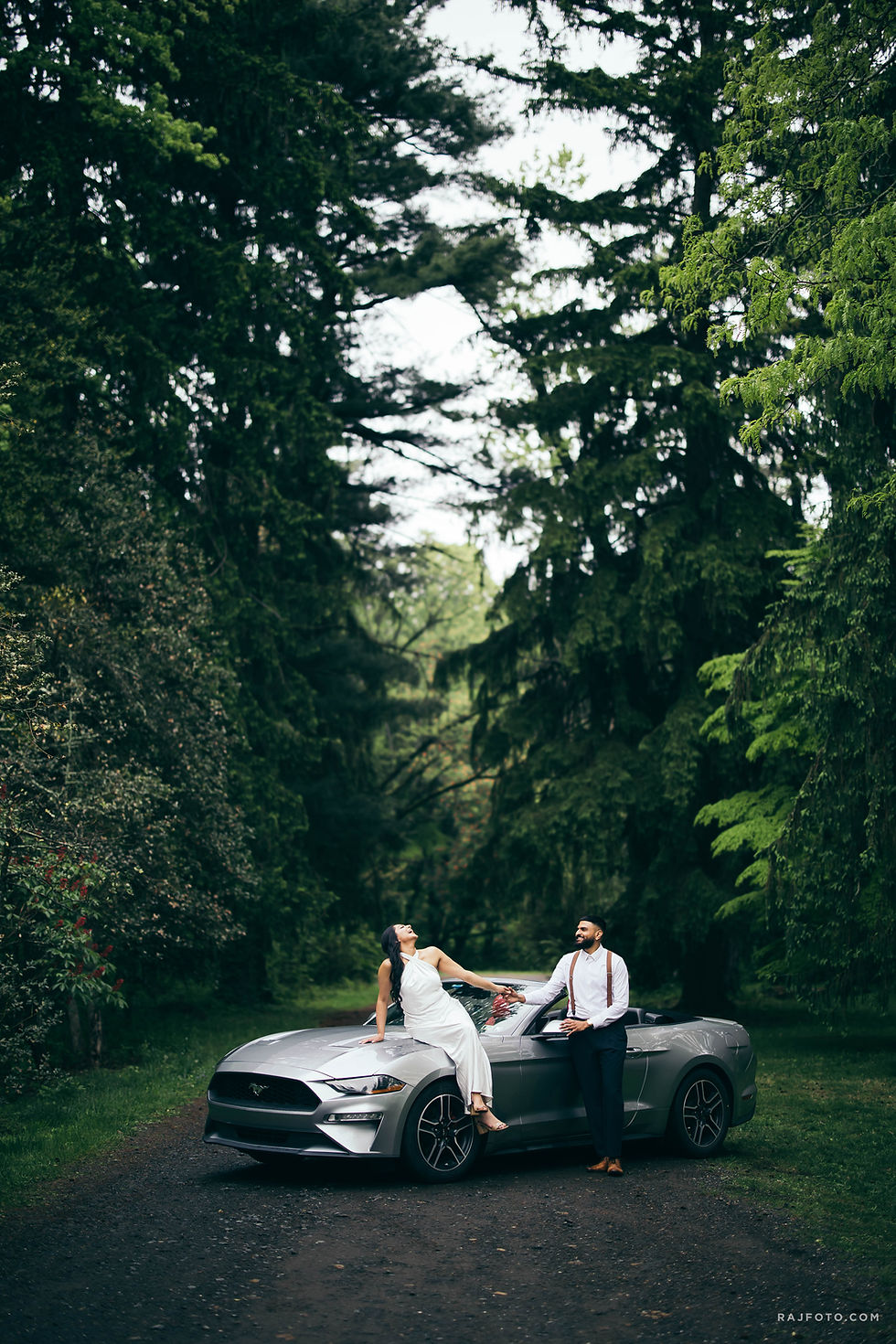
Forests/woodlands | Intimate, grounded | Those seeking privacy |
Beaches/coastlines | Romantic, dramatic | Lovers of natural light |
Deserts/plains | Bold, minimalist | Couples wanting space and warmth |
Urban settings | Personal, nostalgic | Those with city connections |
Test your shortlist by imagining yourselves in each setting during the actual ceremony. Picture standing there, saying your vows, feeling the environment around you. If the mental image feels forced or disconnected from who you are, cross it off and move to the next option.
Step 3. Stress-test logistics before you commit
Logistics can make or break your elopement experience, regardless of how stunning the scenery looks. Before you book anything, run through every practical detail that needs to work for your day to happen smoothly. This means mapping out travel time, accommodation availability, vendor access, and physical requirements specific to your chosen location. The goal isn't to obsess over every minor detail, but to identify potential problems while you still have time to adjust your plans or pick a different spot entirely.
Understanding how to choose an elopement location includes knowing what questions to ask before you commit financially or emotionally to a place. A mountaintop ceremony sounds romantic until you realize the trailhead sits three hours from the nearest airport and requires a 4x4 vehicle to access. Test every assumption against real-world constraints like your fitness level, available vacation days, and what happens if weather forces a last-minute change.
Logistics aren't boring details to figure out later. They're the foundation that lets you actually enjoy your day.
Run through the full timeline
Start from the moment you arrive in the destination city and map every step until you leave. How will you get from the airport to your accommodation? What time do you need to wake up to reach your ceremony location by your target hour? Factor in buffer time for traffic, parking, hiking, getting ready, and recovering afterward. If your ceremony requires a 90-minute drive followed by a 45-minute hike, you need to account for that in your overall schedule, not just the ceremony itself.
Use this checklist to stress-test timing:
Total travel time: home to destination
Ground transportation needs at destination
Check-in/check-out times for lodging
Time required to reach ceremony site from lodging
Physical activity duration (hikes, walks, climbs)
Buffer for weather delays or getting lost
Vendor arrival times if using photographer/officiant
Post-ceremony celebration or meal plans
Calculate real costs
Add up every expense category to see if the location fits your actual budget, not just your ideal budget. Include flights, accommodation, rental vehicles, permits, vendor travel fees, meals, and incidentals. Many couples underestimate how quickly costs compound when eloping somewhere remote or international. A "cheap" destination becomes expensive when you factor in multiple connecting flights, specialized gear rentals, or premium rates for vendors willing to travel there.
Break down costs this way:
Category | What to Include |
|---|---|
Transportation | Flights, car rentals, gas, parking fees |
Lodging | Hotel/Airbnb for yourselves + guests if applicable |
Location fees | Permits, park passes, venue rental |
Vendor travel | Photographer/officiant mileage or airfare |
Gear/equipment | Hiking boots, weatherproof clothing, accessories |
Step 4. Confirm legal rules, privacy, and backup plans
The administrative side of eloping matters just as much as the romantic vision, and ignoring it creates avoidable stress. Before you finalize any location, verify the legal requirements for getting married there, understand what level of privacy you'll actually have, and build backup plans for scenarios that could derail your day. When thinking about how to choose an elopement location, these practical considerations separate couples who enjoy a smooth experience from those scrambling to solve problems at the last minute.
Research marriage license requirements
Every state and country has different rules about marriage licenses, waiting periods, witness requirements, and officiant qualifications. Some locations let you self-solemnize without an officiant present. Others require witnesses you'll need to arrange in advance. Check the specific legal requirements at least two months before your date to ensure you have time to gather documents, schedule appointments, or adjust plans if needed. Call the county clerk's office directly rather than relying on outdated websites.
Legal requirements aren't optional details to figure out later. They determine whether your marriage is actually valid.
Plan for privacy and backup scenarios
Identify whether your chosen spot allows for genuine privacy or if you'll share it with hikers, tourists, or other visitors. Public lands rarely offer exclusivity. Private venues or weekday mornings in less-trafficked areas increase your chances of solitude. Build a backup plan for weather by selecting an alternative nearby location that works in rain, wind, or extreme heat. Have a contact list ready with vendor phone numbers, accommodation addresses, and emergency services for the area.
Where to go from here
You now have a clear framework for evaluating potential elopement locations based on emotion, logistics, and practical constraints. The best next step is to narrow your list to two or three finalists, then dig deeper into each one with vendor research, weather data, and permit requirements. Don't rush this decision just because you're excited. Give yourself at least a few weeks to sit with your top choices, talk through scenarios with your partner, and confirm every logistical detail before committing.
Once you've chosen your location, focus on finding the right photographer who understands both the setting and your vision. Someone with experience shooting elopements in similar environments will know how to work with natural light, unpredictable weather, and remote conditions without adding stress to your day. The right photographer becomes a collaborative partner in bringing your story to life, not just someone documenting it.
If you're planning an elopement and want to discuss how we approach documenting intimate ceremonies, we're here to help. Our experience across diverse locations means we can offer practical insight specific to where you're headed.


Comments