7 Tips On How To Pose For Indian Wedding Photos Naturally

Standing in front of a camera during your wedding can feel overwhelming, especially when you're wearing a heavy lehenga, managing jewelry, and trying to look effortless while dozens of guests watch. Learning how to pose for Indian wedding photos doesn't mean memorizing rigid stances or forcing awkward smiles. It means understanding how to move naturally so your personality and joy shine through every frame.
At rajfoto, we've photographed Indian weddings across the USA, India, Mexico, and beyond. One thing we've learned: the best photos happen when couples feel comfortable and present, not performing. That's why we focus on guiding you through moments rather than directing every detail.
This guide shares seven practical tips to help you look relaxed, elegant, and authentically you, whether you're twirling your dupatta, walking around the sacred fire, or stealing a quiet moment with your partner. No stiff poses required.
1. Pick a photographer who directs you gently
Your photographer sets the tone for how comfortable you'll feel during portraits. Someone who barks commands or rushes through poses creates tension that shows up in every frame. Someone who guides you calmly helps you relax, breathe, and look like yourself. When learning how to pose for Indian wedding photos, the person behind the camera matters as much as what you do in front of it.
What "gentle direction" looks like on a wedding day
Gentle direction means your photographer gives you clear prompts without making you feel staged. Instead of saying "stand here and smile," they might ask you to walk toward each other slowly or adjust your dupatta while looking at your partner. You'll hear soft cues like "tilt your chin slightly" or "take his hand naturally" rather than rigid instructions. This approach keeps your energy relaxed and your expressions authentic, especially during long portrait sessions between events.
A photographer who directs gently helps you stay present instead of performing.
How to ask for a natural, documentary feel
During your consultation, tell your photographer you want candid moments prioritized over formal lineups. Ask to see examples of couples who look comfortable and real in their portfolio. Request that they spend less time arranging every detail and more time capturing interactions as they unfold. Most photographers appreciate when couples communicate their style preferences early, so they can plan timing and approach accordingly.
When to speak up vs trust the process
Speak up if something feels physically uncomfortable or if you're confused by a prompt. Trust the process when your photographer suggests adjusting your angle or hand placement, even if it feels unnatural at first. Photographers see what the camera sees, and small tweaks often make significant differences in how flattering the final image looks. Balance honoring your instincts with allowing their experience to guide technical choices.
How RAJ FOTO approaches natural posing
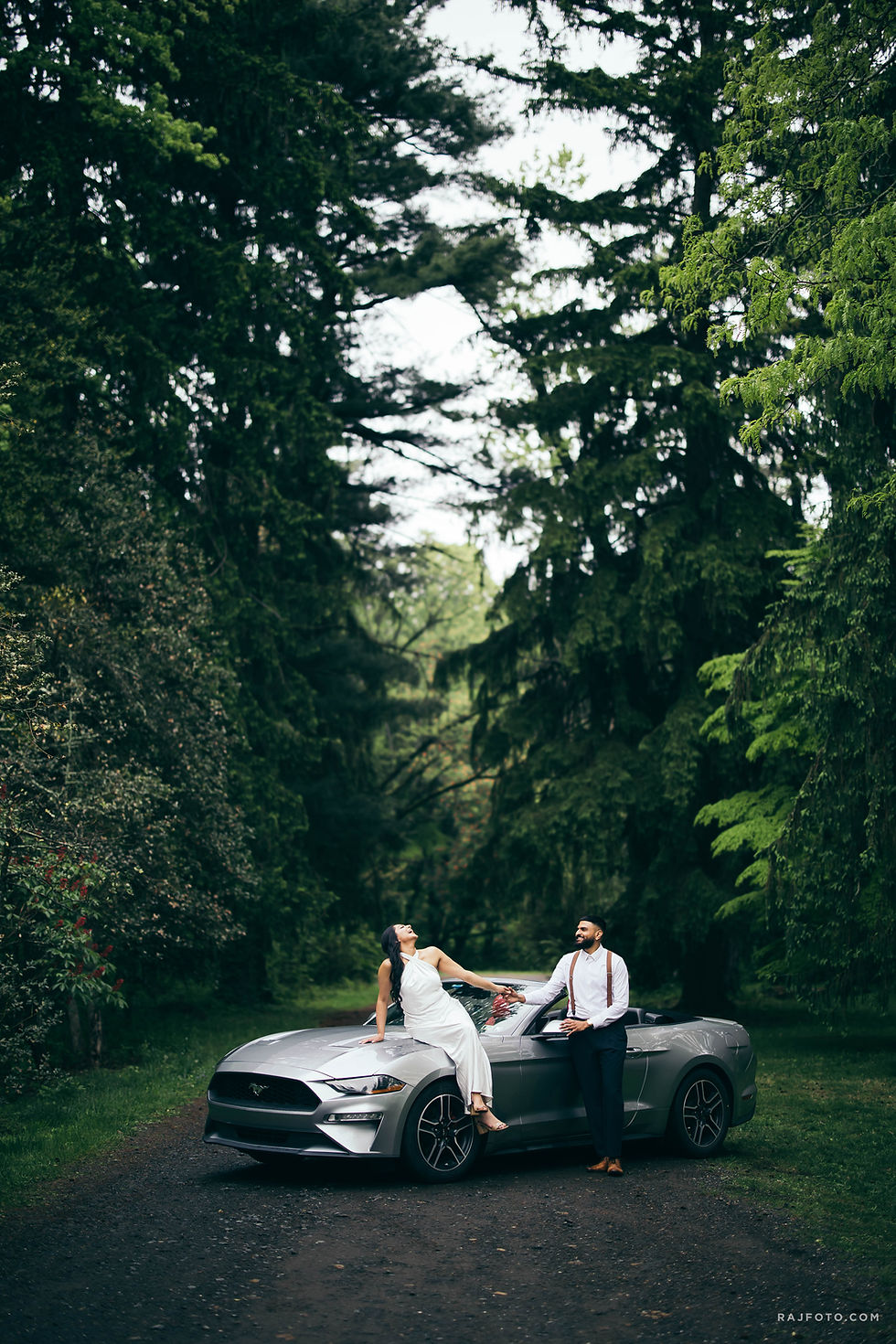
We focus on creating moments instead of manufacturing poses. That means we'll ask you to interact with each other rather than stare directly at the lens for every shot. We guide you into flattering positions through gentle prompts, then step back to let real emotion surface. Our goal is for you to feel like you're simply spending time together while we document the beauty that naturally happens.
2. Start with movement instead of frozen poses
When you're trying to figure out how to pose for Indian wedding photos, the hardest part is often feeling stiff or self-conscious. Movement breaks that tension immediately because it gives your body and mind something to focus on other than the camera. Instead of standing perfectly still and hoping you look natural, moving creates organic transitions that photographers can capture mid-action.
Easy movement prompts that look natural
Walking toward your photographer while holding hands creates genuine interaction and flattering angles. You can also try turning to look at each other mid-step or adjusting your dupatta as you move. Small gestures like brushing a strand of hair away, laughing while walking, or twirling slowly in your lehenga produce relaxed expressions that feel authentic rather than staged.
Best movement poses for camera-shy couples
If you feel awkward facing the camera directly, start by walking away from it while your photographer captures you from behind. Spin toward each other at the end of the path and embrace naturally. You can also whisper something funny or sweet to your partner while moving, which creates real smiles and soft eye contact without forced posing.
How to keep movement flattering and controlled
Move slowly and deliberately rather than rushing through motions. Elongate your movements so photographers have multiple frames to choose from, and keep your shoulders back to maintain elegant posture even while in motion. Controlled movement looks graceful on camera, while frantic or sudden gestures can blur or appear unflattering.
Movement transforms rigid posing into natural storytelling that feels effortless.
Quick variations for solo bride and couple portraits
Brides can walk forward while lifting their lehenga slightly or looking back over one shoulder mid-step. Couples benefit from walking hand-in-hand with a gentle lean toward each other or stopping mid-path for a forehead touch.
3. Give your hands a job with details and props
Awkward hands ruin more portraits than almost anything else. When your hands hang limply at your sides or rest unnaturally on your partner, the whole photo feels forced. Understanding how to pose for Indian wedding photos means giving your hands purpose through interaction with your outfit details, jewelry, or your partner. This simple shift transforms stiff portraits into natural, elegant images.
The best hand placements for brides and grooms
Brides should gently hold their dupatta edge between thumb and fingers or rest one hand softly on jewelry like kaleere or bangles. Grooms can adjust their sherwani buttons or lightly place one hand in a pocket while the other rests on the bride's waist. Both of you benefit from touching each other naturally, like holding hands with fingers interlaced or the bride resting her hand on the groom's chest during close portraits.
Giving your hands a task removes awkwardness and creates visual interest in every frame.
Using dupatta, kaleere, bangles, and sherwani buttons
Your dupatta creates beautiful framing when you lift it slightly to show embroidery or drape it gently over one arm. Kaleere deserve attention, so raise your wrist naturally while looking at your partner or adjusting your hair. Stack your bangles by bringing both hands together or touching your face softly. Grooms can button or unbutton their sherwani mid-action for dynamic shots that feel purposeful rather than posed.
Ring and mehndi shots that feel candid, not staged
Instead of displaying your ring directly to the camera, touch your partner's face or adjust their turban so the ring appears naturally. For mehndi, interact with the designs by tracing patterns with your opposite hand or holding your partner's hand to show both your mehndi and his ring. These interactions look genuine rather than like you're advertising your jewelry.
Common hand mistakes and how to fix them fast
Avoid clenching fists, pointing fingers awkwardly, or covering your face entirely with your hands. Fix tension by shaking your hands out before each shot and keeping fingers slightly curved rather than straight. If you're unsure where to place your hands, default to touching something, whether your outfit, jewelry, or your partner.
4. Use angles that flatter faces and outfits
Small adjustments to how you position your body make the difference between photos that feel awkward and images that showcase you beautifully. Understanding basic angles helps you look confident and elegant without overthinking every moment. When mastering how to pose for Indian wedding photos, subtle shifts in positioning create flattering proportions and highlight your outfit details naturally.
Where to place your chin, shoulders, and hips
Position your chin slightly forward and down to define your jawline without creating unflattering shadows under your face. Turn your shoulders at a gentle angle toward the camera rather than facing it square-on, which broadens your frame. Shift your hips slightly away from the camera and place one foot in front of the other to create natural curves that elongate your silhouette in heavy lehengas or sarees.
How to find your best side without overthinking
Most people favor one side of their face over the other. Notice which side you naturally turn when taking selfies or looking in mirrors, then mention this preference to your photographer. They can adjust your positioning accordingly without making you feel self-conscious about the choice.
Eye line tips that create emotion on camera
Looking directly at the camera creates connection, but glancing slightly away adds depth and emotion to portraits. Try looking at your partner's eyes, forehead, or lips for intimate moments. Avoid looking down at your feet, which creates shadows and hides your face unnecessarily.
Subtle angle adjustments transform good portraits into stunning ones without requiring complex posing.
Simple posing cues for height differences
If one partner is significantly taller, stand on stairs or steps to balance heights naturally. The shorter partner can also lean slightly upward while the taller partner bends their knees gently during close portraits.
5. Match poses to each Indian wedding event
Each event in your Indian wedding celebration calls for a different posing approach because the energy, attire, and purpose shift dramatically. Understanding how to pose for Indian wedding photos means adapting your body language and expressions to match the mood of each ceremony. Playful mehndi moments look awkward during pheras, just as formal ceremony poses feel stiff during haldi chaos.
Mehndi poses that highlight art, color, and joy
Show off your mehndi by displaying your palms toward the camera while sitting cross-legged or reclining casually with friends. You can also lift your hands near your face to frame your expression while showcasing the designs. Candid shots of you laughing with bridesmaids or examining fresh mehndi patterns capture the celebratory energy better than stiff hand displays. This event invites vibrant colors and relaxed postures, so lean into group shots and joyful interactions.
Haldi poses that embrace mess and movement
Stop worrying about staying clean during haldi and lean into the playful chaos this ceremony creates. Let friends apply turmeric paste while you laugh genuinely rather than posing stiffly. Sitting on the ground with legs crossed and arms outstretched invites natural interaction. The best haldi photos capture movement and authentic reactions to the mess, not perfect positioning.
Matching your posing style to each event creates a visual story that feels authentic and complete.
Ceremony portraits that feel respectful and real
During your ceremony, maintain reverent posture while allowing genuine emotion to surface naturally. You can glance at your partner during meaningful rituals or close your eyes during prayers for intimate moments. Photographers capture powerful images when you focus on the ceremony itself rather than performing for the camera.
Reception poses that look polished without stiffness
Your reception calls for elegant, refined posing that still feels natural and joyful. Stand close together with confident posture during formal portraits, then transition to candid moments on the dance floor. You can pose at your sweetheart table by leaning slightly toward each other or sharing a quiet laugh between toasts.
6. Make your outfits work for you in photos
Your wedding attire deserves to be showcased beautifully in every frame, but heavy fabrics and intricate details require intentional positioning to photograph well. Knowing how to pose for Indian wedding photos means understanding how your outfit moves and positioning yourself to highlight its most stunning features. The right approach transforms your lehenga, saree, or sherwani from potential challenges into visual assets.
Lehenga and saree poses that show shape and flow
Lift your lehenga slightly with both hands to reveal embroidery and volume while walking or twirling. You can also gather fabric on one side to create elegant draping that shows off the silhouette without hiding your shape entirely. Sarees photograph beautifully when you stand at an angle that displays pleats clearly and allows the pallu to fall naturally over your shoulder.
Dupatta and veil poses that frame faces softly
Hold your dupatta edges gently and lift them slightly away from your body to create a graceful frame around your face. You can also drape it over one shoulder and let it flow behind you during movement for romantic, ethereal shots. Avoid pulling fabric too tight across your face, which creates unflattering shadows and hides your features.
Your outfit becomes part of the storytelling when you interact with it naturally rather than treating it as an obstacle.
Jewelry, shoes, and groom accessories worth featuring
Display your jewelry by adjusting pieces naturally rather than pointing at them awkwardly. Grooms can showcase their turban details, sherwani buttons, or traditional footwear through subtle gestures like adjusting cuffs or standing with weight shifted to highlight shoes.
Outfit-aware posing for sitting, walking, and twirling
Arrange your lehenga around you before sitting to avoid bunching fabric that creates unflattering bulk. Walk slowly to allow fabric to flow properly, and practice twirling once beforehand so you know how much force creates beautiful movement without tangling.
7. Plan a short shot list and practice for 10 minutes
Walking into your portrait session with zero preparation leaves you scrambling to remember what matters most. Creating a simple shot list beforehand ensures you capture the portraits you'll treasure most without relying on your photographer to read your mind. When figuring out how to pose for indian wedding photos, ten minutes of practice eliminates the guesswork and helps you move confidently when time is limited.
A must-have list of natural portraits to request
Write down 5-7 specific moments you want captured, such as showing your mehndi together, a twirl in your lehenga, or a quiet moment holding hands. Include any family combinations or outfit details that matter to you, like your grandmother's jewelry or your partner's turban. Keep this list brief so your photographer has flexibility to capture spontaneous moments while ensuring nothing important gets missed.
How to practice without feeling awkward
Stand in front of a mirror and try basic positions like adjusting your dupatta or holding your partner's hand naturally. You can also set your phone on a timer to capture quick test shots that show what angles feel comfortable. Practicing removes the unknown factor, so when your photographer gives similar prompts on your wedding day, your body already knows how to respond.
Timing and lighting that make posing easier
Schedule portraits during golden hour (the hour before sunset) when natural light flatters every angle without harsh shadows. Give yourself at least 30 minutes for couple portraits so you don't rush through moments. Good lighting and adequate time reduce pressure, which helps you relax into natural expressions.
Planning and practice transform portrait time from stressful to enjoyable.
How to stay present while portraits happen fast
Focus on your partner's eyes rather than worrying about your pose or the camera. Trust that your photographer is capturing what they need while you engage genuinely with each moment. When you prioritize connection over perfection, your portraits reflect authentic emotion that no amount of technical posing can replicate.
Your photos should feel like you
Learning how to pose for indian wedding photos isn't about memorizing rigid positions or forcing perfection. Your best portraits happen when you focus on your partner rather than performing for the camera. These seven tips give you practical tools to move naturally, interact confidently, and trust the process while your photographer captures genuine moments.
Your personality should shine through every frame, whether you're adjusting your dupatta during mehndi or sharing a quiet moment during your ceremony. Practice the basics, communicate your preferences to your photographer, and then let yourself be present in each moment. The images you'll treasure most reflect who you actually are, not who you think you should be.
Ready to work with a photographer who prioritizes authentic storytelling over stiff poses? Check our availability and start planning your wedding photography with RAJ FOTO today.


Comments